

When Abdullah Ibn 'Amr  joined the Muslim army in the battle of Uhud, he left in Madeenah his son Jabir to take care of the family. Abdullaah had many daughters; he ordered his only son to take care of them, and did not allow him to join the fighters. The Muslims returned defeated from that
 Battle
joined the Muslim army in the battle of Uhud, he left in Madeenah his son Jabir to take care of the family. Abdullaah had many daughters; he ordered his only son to take care of them, and did not allow him to join the fighters. The Muslims returned defeated from that was among the martyred.
Jabir was saddened by the news of his father's death. He was a young man who did not reach twenty years of age. He was at a loss as to how to care for his sisters, and in addition pay back his father's debts. He felt over-burdened under this sudden responsibility. His worries did not go unnoticed by the Prophet  who asked: "Why do I see you so sad?" Jabir replied: "My father was slain in Uhud and he left behind many children, and a large debt." The Prophet comforted him by telling him that his father was among the martyrs and recited to him Allah's Words: "And never think of those who have been killed in the cause of Allah as dead. Rather, they are alive with their Lord, receiving provision, …" [Quran 3:169]. His heart lightened when he heard these verses.
was saddened by the news of his father's death. He was a young man who did not reach twenty years of age. He was at a loss as to how to care for his sisters, and in addition pay back his father's debts. He felt over-burdened under this sudden responsibility. His worries did not go unnoticed by the Prophet who asked: "Why do I see you so sad?" Jabir replied: "My father was slain in Uhud and he left behind many children, and a large debt." The Prophet comforted him by telling him that his father was among the martyrs and recited to him Allah's Words: "And never think of those who have been killed in the cause of Allah as dead. Rather, they are alive with their Lord, receiving provision, …" [Quran 3:169]. His heart lightened when he heard these verses.
Jabir married a widow who was older than him, though he was a young man and could have married a young virgin, but he wisely thought that she could better help him raise his younger sisters. His worries were not over, for he still had to fulfill his father's debt, especially that the creditors were knocking incessantly at his door and would not give him more time. His father left no wealth except a small palm grove; which would yield barely enough fruits to feed them. He thought that he would ask the Prophet's help for he never refused to help him. He said to him: "O Messenger of Allah people are knocking at my door asking me to pay my father's debt, but he left only a small palm grove and the fruits of which will not fulfill even a part of the debt. Would you please come with me so that the creditors would not be harsh to me?" He said: "I will come soon, during the middle of the day. Go now and sort your dates."
married a widow who was older than him, though he was a young man and could have married a young virgin, but he wisely thought that she could better help him raise his younger sisters. His worries were not over, for he still had to fulfill his father's debt, especially that the creditors were knocking incessantly at his door and would not give him more time. His father left no wealth except a small palm grove; which would yield barely enough fruits to feed them. He thought that he would ask the Prophet's help for he never refused to help him. He said to him: "O Messenger of Allah people are knocking at my door asking me to pay my father's debt, but he left only a small palm grove and the fruits of which will not fulfill even a part of the debt. Would you please come with me so that the creditors would not be harsh to me?" He said: "I will come soon, during the middle of the day. Go now and sort your dates."
People rushed to Jabir as he was sitting in his garden sorting his dates. He asked them to wait for the Prophet who promised to assist him. Now when they heard the Prophet's name mentioned, people refrained from talking, except for one Jew who refused to wait even a moment, saying: "I have nothing to do with Muhammad. Pay me right now!" As the sun approached the zenith, they saw the Prophet coming hurriedly, sweat dripping from his forehead. He asked the Jew: "Would you accept a part of the debt to be paid to you now and postpone the rest for next year?" "Never," he said, and he tried to present different excuses. The Prophet walked around the piled dates and invoked Allah's blessing. Then he said to Jabir: "Call them, and measure for them." He stayed for a while then he left. As for Jabir he kept measuring the dates to his creditors until he fulfilled all the debts his father owed, and to his great amazement the piles of dates were still so high as if he did not take any thing from them! He could barely believe his eyes.
who promised to assist him. Now when they heard the Prophet's name mentioned, people refrained from talking, except for one Jew who refused to wait even a moment, saying: "I have nothing to do with Muhammad. Pay me right now!" As the sun approached the zenith, they saw the Prophet coming hurriedly, sweat dripping from his forehead. He asked the Jew: "Would you accept a part of the debt to be paid to you now and postpone the rest for next year?" "Never," he said, and he tried to present different excuses. The Prophet walked around the piled dates and invoked Allah's blessing. Then he said to Jabir: "Call them, and measure for them." He stayed for a while then he left. As for Jabir he kept measuring the dates to his creditors until he fulfilled all the debts his father owed, and to his great amazement the piles of dates were still so high as if he did not take any thing from them! He could barely believe his eyes.
Jabir returned home and related what has happened to his wife. "Allah has fulfilled my father's debt. I would have been very content if I would have paid all the debt and not a single date remained for us, but by Allah's grace, we still have most of our harvest!"
returned home and related what has happened to his wife. "Allah has fulfilled my father's debt. I would have been very content if I would have paid all the debt and not a single date remained for us, but by Allah's grace, we still have most of our harvest!"
Jabir had missed many battles because his father would order him to take care of his sisters while he was with the fighters. But after his father's death he had not missed any occasion to fulfill his duty of Jihad. One of the expeditions was especially dear to him, for a memorable event happened to him with the Prophet which he never tired to tell again and again. They were returning from the battle of Thatur-Riqaa' near the area of Najd . The Prophet stopped for some time and lagged behind. While he was hastening his mount to reach his companions, he saw Jabir on his red camel at the end of the convoy. The camel was trotting slowly, and Jabir was hitting it vigorously with a stick, but it refused to speed up. "What is wrong, Jabir?" asked the Prophet . "My camel is so slow I am lagging behind." Said Jabir . "Give me the stick and hold on to your mount." The Prophet said. He hit the camel lightly with the stick, and as soon as he did, it sprang and run as if a new life was given to it. Jabir reached the head of the convoy, under the incredulous eyes of his friends who asked him what has happened to his camel. The sight of Jabir who could barely hold himself on his camel who was outpacing all the other camels, amused the Prophet . "How do you find your camel now?" he asked him. "In the best condition," he replied, "your blessing has reached it and I have never seen it run as fast as today." "Would you sell it to me?" asked the Prophet . "I will gladly give it to you as a gift," he said. "No but rather sell it to me." "I agree if you set the price," he said "Then I'll buy it for one Dirham!" said the Prophet . "Do you give me much less than its value?" he said, "Then two Dirhams," but he refused. The Prophet kept increasing the price until he offered to buy it for one oke (a unit of weight) of gold. Jabir said: "I owe a man one oke of gold, so I will sell it to you and pay my debt." The Prophet reached out to take hold of the camel, but Jabir said: "O Messenger of Allah, I have a last condition: that you let me ride it until we reach Madeenah." He smiled and said: "You may ride it until Madeenah." He rode alongside the Prophet holding the camel's reins to slow it down, while the Prophet kept saying: "O Allah, forgive Jabir all his sins"
had missed many battles because his father would order him to take care of his sisters while he was with the fighters. But after his father's death he had not missed any occasion to fulfill his duty of Jihad. One of the expeditions was especially dear to him, for a memorable event happened to him with the Prophet which he never tired to tell again and again. They were returning from the battle of Thatur-Riqaa' near the area of stopped for some time and lagged behind. While he was hastening his mount to reach his companions, he saw Jabir on his red camel at the end of the convoy. The camel was trotting slowly, and Jabir was hitting it vigorously with a stick, but it refused to speed up. "What is wrong, Jabir?" asked the Prophet . "My camel is so slow I am lagging behind." Said Jabir . "Give me the stick and hold on to your mount." The Prophet said. He hit the camel lightly with the stick, and as soon as he did, it sprang and run as if a new life was given to it. Jabir reached the head of the convoy, under the incredulous eyes of his friends who asked him what has happened to his camel. The sight of Jabir who could barely hold himself on his camel who was outpacing all the other camels, amused the Prophet . "How do you find your camel now?" he asked him. "In the best condition," he replied, "your blessing has reached it and I have never seen it run as fast as today." "Would you sell it to me?" asked the Prophet . "I will gladly give it to you as a gift," he said. "No but rather sell it to me." "I agree if you set the price," he said "Then I'll buy it for one Dirham!" said the Prophet . "Do you give me much less than its value?" he said, "Then two Dirhams," but he refused. The Prophet kept increasing the price until he offered to buy it for one oke (a unit of weight) of gold. Jabir said: "I owe a man one oke of gold, so I will sell it to you and pay my debt." The Prophet reached out to take hold of the camel, but Jabir said: "O Messenger of Allah, I have a last condition: that you let me ride it until we reach Madeenah." He smiled and said: "You may ride it until Madeenah." He rode alongside the Prophet holding the camel's reins to slow it down, while the Prophet kept saying: "O Allah, forgive Jabir all his sins"
The next day when they reached Madeenah, Jabir went to the Prophet's mosque to hand him over his camel. When he saw the camel, the Prophet smiled and held it by its reins and walked around with it saying: "So the camel is ours." Then he said to Bilal : "Give him one oke of gold and then some more." Jabir left the mosque quiet content with the deal, looking forward to bring the news to his wife, when he heard someone calling him: "The Messenger of Allah wants you back." He said to himself: "I hope the Messenger of Allah is happy with his camel." When the Prophet saw him, he asked him: "Are you happy with the price?" "Yes, and may Allah reward you for the additional money." "Then take hold of your camel, it is yours," said the Prophet . "How come, O Messenger of Allah, the camel is rightly yours, for I received its price!" "The money and the camel are yours," said the Prophet . Then he tapped Jabir on the shoulder and said: "Did you think that I bargained with you to take your camel away from you? It was not my intention!" Jabir thanked the Prophet for his great generosity and his gentleness, and left home bursting with joy.
went to the Prophet's mosque to hand him over his camel. When he saw the camel, the Prophet smiled and held it by its reins and walked around with it saying: "So the camel is ours." Then he said to Bilal : "Give him one oke of gold and then some more." Jabir left the mosque quiet content with the deal, looking forward to bring the news to his wife, when he heard someone calling him: "The Messenger of Allah wants you back." He said to himself: "I hope the Messenger of Allah is happy with his camel." When the Prophet saw him, he asked him: "Are you happy with the price?" "Yes, and may Allah reward you for the additional money." "Then take hold of your camel, it is yours," said the Prophet . "How come, O Messenger of Allah, the camel is rightly yours, for I received its price!" "The money and the camel are yours," said the Prophet . Then he tapped Jabir on the shoulder and said: "Did you think that I bargained with you to take your camel away from you? It was not my intention!" Jabir thanked the Prophet for his great generosity and his gentleness, and left home bursting with joy.
Jabir related what has happened to his wife. She laughed for a long time, then said: "I was expecting that from the Prophet ." Jabir said: "I have felt the same way when the Prophet was bargaining with me."
related what has happened to his wife. She laughed for a long time, then said: "I was expecting that from the Prophet ." Jabir said: "I have felt the same way when the Prophet was bargaining with me."
Jabir took great care of his camel for it became so dear to him after this event. The camel was at his service during the time of the Prophet and the Caliph Abu Bakr after him, and then when it got old the Caliph told him to let it graze with the flock of camels of charity and roam freely in the grazing lands.
took great care of his camel for it became so dear to him after this event. The camel was at his service during the time of the Prophet and the Caliph Abu Bakr after him, and then when it got old the Caliph told him to let it graze with the flock of camels of charity and roam freely in the grazing lands.
That was the story of Jabir and his camel, a story that highlights not only the camaraderie of the Prophet with his companions, but also his great leniency and generosity, and the great love they had for him. -islamweb.net
and his camel, a story that highlights not only the camaraderie of the Prophet with his companions, but also his great leniency and generosity, and the great love they had for him. -islamweb.net

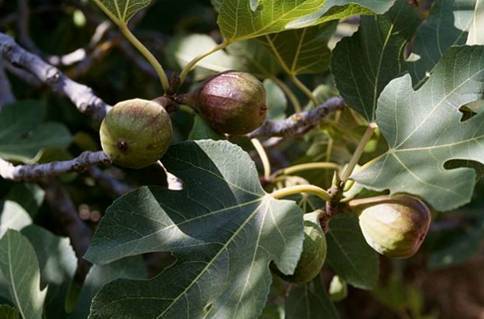 The Fig is a concise chapter of eight verses. Its name comes from the first words of the first verse. The majority of scholars agree that this chapter was revealed in Mecca and Mecca is mentioned in the chapter giving credence to this assumption. Meccan chapters, especially the short chapters at the end of the Quran, usually focus on the basics of Islam particularly the nature of the Hereafter.
 never `lied' except in three cases, two for Allah, when he said [as an excuse when asked by his people to join them in celebration of their idols] `I am sick'; and [when they came back and asked who broke their idols, he said] `Rather, it was the biggest among them who did that.' And the third was about Sarah, and that was his saying: `When he asks you, say you are my sister, because you are my sister in Islam.'
  From the miracles of the sayings of the Prophet Muhammad, may the mercy and blessings of God be upon him, is that the Arabian Peninsula was once a lush green land full of trees and rivers. Prophet Muhammad said, "